Category: Uncategorized

  • Understanding Birthright: Importance and Spiritual Implications

    Understanding Birthright: Importance and Spiritual Implications

    What is in birthright? How important is it and what are the spiritual implications? Whether you are a firstborn or not, you need to pay attention to this because it will affect you either directly or indirectly. You need to draw your chair closer because you are about to hear something mind-blowing.

    Being a firstborn is not a coincidence or mere chance; it is a divine design that carries grave responsibilities and consequences. Unfortunately, the majority of people are unaware of this reality. I am going to show you why you need to change this mindset.

    Biblical Perspective

    When God took revenge on the Egyptians, he went after their firstborn sons, thus loosening Pharaoh’s iron grip on the Israelites. In the book of second Kings chapter 3, the Israelites besieged Moab. But when the king of Moab made a burnt offering of his first son to their idol Chemosh, the tide turned against the Israelites. And in the fullness of time God sent his first Son to redeem mankind from sin.

    Birthright Is a theme that spans through the entire length of the scriptures. In the Bible, being a firstborn is not merely a position or title, it is an assignment. The Abrahamic covenant was propagated by birthright and that’s why Jacob could not embody the blessings until he had received the birthright. God places a high premium on birthright and that’s why the Bible declared “blessed is every male that opens the matrix”. Likewise, Deuteronomy 21:17 confers a double portion of inheritance on the firstborn son.

    Universal Recognition and Responsibility of the Firstborn

    In various cultures and parts of the world, the first son is assigned a sacred role. In Africa, the first son is the priest, the spiritual heir and the leader of the family. In China, he is entrusted with the duty of maintaining and propagating the family surname, and also upholds ancestral rites. In the Hindu tradition, he is given the charge of the family estate, groomed for leadership in the family and lights the funeral pyre. In Europe and Arabian countries, the first son inherits the throne or estate and is considered the main continuity of bloodlines. Obviously, these are no mean tasks, they are heavy responsibilities.

    Link between Birthright and Destiny
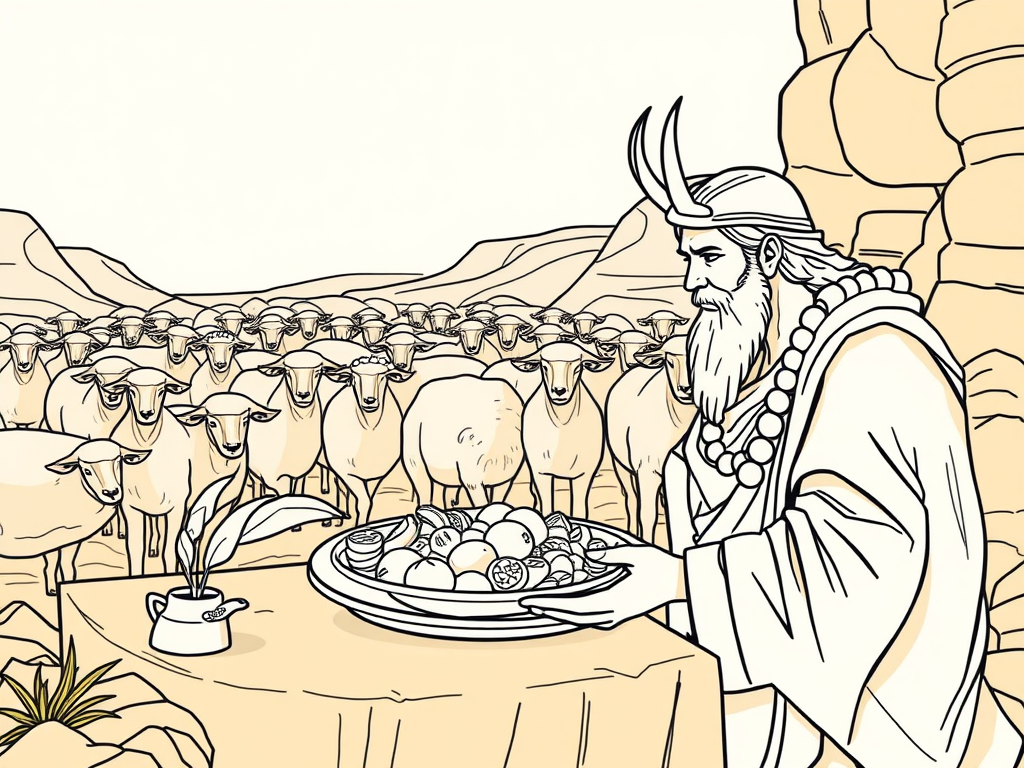
    The first born therefore does not have the luxury of frivolity or recklessness. Otherwise he misses the mark and goes down in history as a historic failure. This was the lot of Cain who abnegated his priestly role to his younger brother, Abel who offered a more excellent sacrifice. Esau placed little value on his birthright to the extent that he sold it to his younger twin, Jacob. Esau exhibited a carefree and nonchalant attitude towards his birthright. He was described as a profane person who devalued the Abrahamic covenant and exchanged it for a plate of food. He was ruled by his lust, just like Reuben his nephew. Reuben, the first son of Jacob took after his uncle Esau. What his father had staked his life to acquire, he frittered away on the altar of self-gratification. When it was time for him to rise to the occasion of his sacred calling, he fell to the level of his shortsighted craving. On two, occasions, he dropped the ball, thus conceding an irreparable own goal. Reuben did not lose his birthright the day he slept with is father’s wife. He started losing it the day he could not account for his youngest brother, Joseph who was entrusted to his care. Incest with his father’s wife was the consummation of his ignominious crash. The consequence? He lost his staff of authority to Judah and the double portion of inheritance to Joseph – the one he could not protect. In his valedictory benediction, Jacob gave his verdict on Reuben, his now ceremonial first son – “unstable as water, thou shalt not excel”. Amnon was king David’s first son but instead of building on his father’s solid foundation, he decided to default to the moral quagmire of Reuben, his progenitor. Consequently, he lost his place, the throne and his life. He also acquired for himself an eternal blot.

    Why Many Firstborns Fail
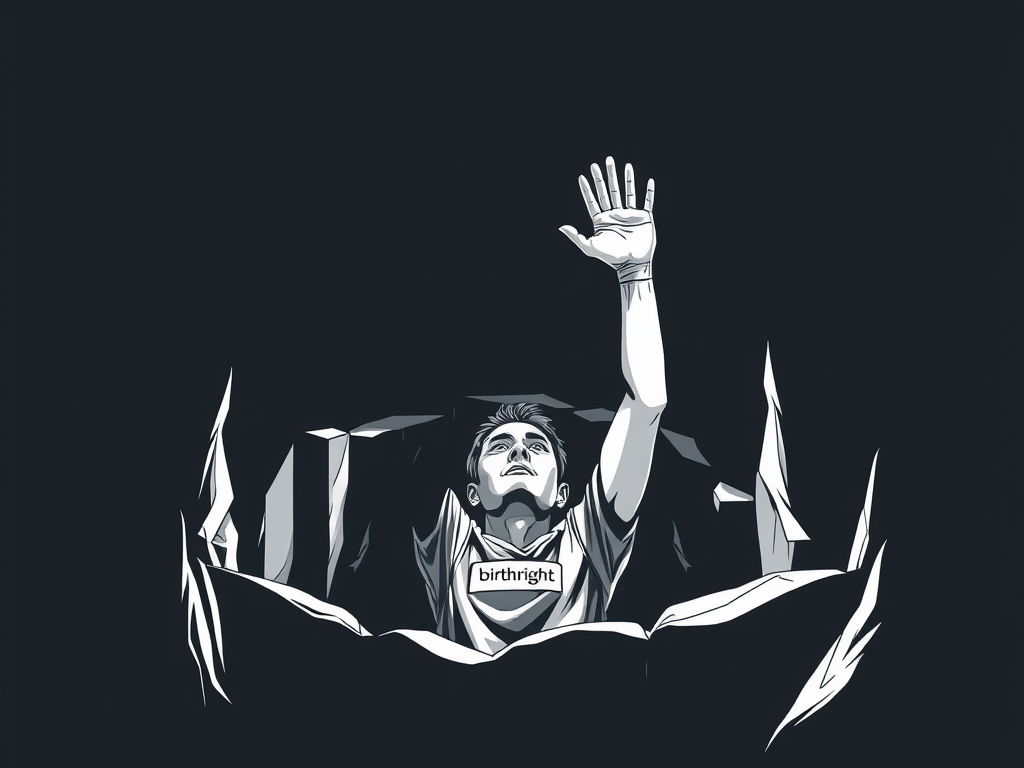
    But what is responsible for the high failure rate of first sons especially in Africa? Birthright is a slippery slope that can bring a man from the Pinnacle of glory to the slough of despond. Many first sons have become merely ceremonial rather than sacred as was originally intended. In the world of today, the sacredness of the firstborn son has been trampled upon – not by others, but by the first sons themselves. But what does one expect from a generation that is ruled by fleshly desires?

    First, understand that whatever God is interested in, also arouses the devil’s inquisitiveness. If God has apportioned double blessings for the first son, then the devil will invariably allocate double barriers just to spite God. And this is the truth many people are ignorant of. Know it today that if you are a first son, then the devil has a special interest in you. Secondly, the first son naturally inherits their father’s enemies, limitations, reproach and woes. That’s why God went after the first sons of Egypt.

    Secondly, we have bifurcated the inseparable duo of responsibility and inheritance, thereby creating a crop of first sons who want inheritance, but want nothing to do with the associated responsibilities. They want to sit on the throne without the discipline and courage of a king. They want to receive estates without the wisdom to maintain it. They want to bear the family name without the character to authenticate it. They want to inherit but have no plans to bequeath. Some even hope their father dies soon so they can preside over his wealth. Such first sons are a mockery to the divine ordination of birthright. They are modern day prodigal sons with a sense of entitlement without a sense of purpose. A former neighbour was fond of calling my first son “heir apparent”. I immediately detested the gesture because I could see that she was unknowing inculcating in him a sense of entitlement without commensurate responsibility. She was invariably saying to him “no need to sweat”. And I believe that she does that with her first son. Before you blame her, you need to understand that she is not alone. It is a prevailing mentality in Africa today. The first son simply putters about, waiting for inheritance which cannot be activated until the demise of the father. If he is unlucky, his father might even outlive him. This is the opposite of what happens in aristocratic circles where the first born is groomed, not just to inherit, but most importantly to maintain the family status and uphold its values. He knows from infancy that a heavy task rests on his shoulders that the price of failure is too great to imagine.

    Closing Thoughts
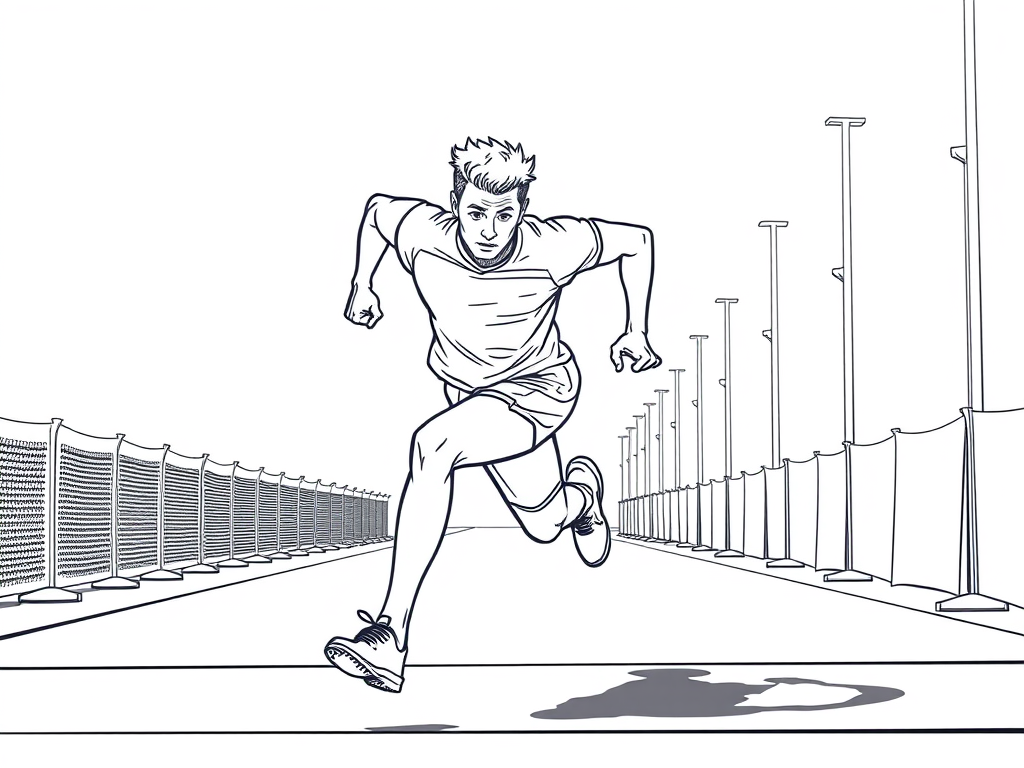
    Parents must understand the blessings and burdens that naturally comes with birthright, and do whatever is necessary to hold this reality up to the firstborn. He must not be pampered to his detriment. He should be groomed for leadership and responsibility. Are you a first son? Then it’s time to change the game. Stop hoping for an inheritance and start taking responsibility. As a priest, keep your vows. As a king, keep the standard high. As an ambassador, be the face of your family. As a leader set the pace. Remember that birthright is exchangeable. If you fail, another will take your place without much ado. Remember, for every Esau who gambled away his birthright, there is a Jacob to purchase it. For every Reuben who glosses over his birthright, there is a Judah receive is mantle and a Joseph to divert his double portion. For every Amnon who desecrates the throne, there is a Solomon to dignify it. For every Judas who betrays his calling, there is Mathias to redeem the bishoprick.

    My friend, get up from the dust and run your race. You may not run faster than everyone but run it the best you can and the blessing of the first son will gravitate towards you. Learn to take responsibility. Learn to dignify yourself. You have received the baton. Hold it firm and don’t let it drop. Haul yourself to the fishing and pass on the baton. Let is not be said of you “here lies Esau a profane man who sold his birthright for one morsel of meat”. But let it be said, “here lies a man who was faithful to his calling.

    Feel free to drop your comments or share your personal experience in the comment section for further engagementsIf reading this post was helpful, share it with others who might need it. Subscribe to get new posts directly in your inbox and watch out for more.

    Go back

    Your message has been sent

    Warning
    Warning
    Warning
    Warning.

  • The Battle of Screens vs Books: A Deep Dive

    The Battle of Screens vs Books: A Deep Dive

    The bookshops are empty and dusty, but the cinemas and comedy halls are overflowing. The books are closed, but the screens are beaming. The eyes are wide open, but the brain is gradually falling into a slumber. Reason has been imprisoned, but emotions are on rampage. The world is going through a rapid evolution of sorts.  It has become one big eyeball without brains. It only sees but cannot understand. It only feels but cannot ground the signal in reason. This is the tragedy of an age that lives on the screen – television screen, computer screen, mobile phone screen.

    The mobile technology has definitely caused a paradigm shift which has metamorphosed into a pandemic shift. We grew up reading books. This generation is growing up dreaming and drooling over screens. Even adults now clutch onto mobile devices with the tenacity of an infant guarding her plastic toys. People now generally spend a disproportionate amount of their day watching video. They would rather watch a thousand videos than read a chapter of a book. In an age ruled by screens, where most knowledge is delivered through short videos, visual slides, and voice notes, we’re beginning to treat reading like an optional luxury. And yet, something deep within me resists this shift — not from nostalgia, but from a growing conviction. It’s not just a stylistic preference. It’s a neurological, psychological, and even moral concern. It transcends the periphery of theory into the sacred realms of science, experience and observation.

    1. The Brain on Books vs. Screens

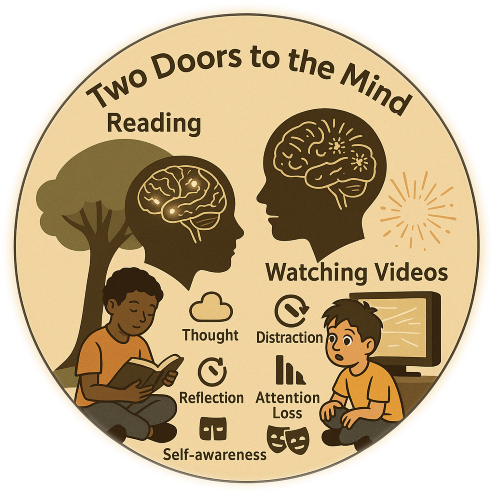
    Let’s begin with the brain. Reading is not a passive activity — it’s an active, energy-consuming process involving multiple complex regions of the brain. Reading engages several parts of the brain that facilitate critical thinking while watching of videos adulterates the learning process by subtly  stimulating the emotional region of the brain – the amygdala. Studies using fMRI confirm that reading — especially deep reading — is mentally taxing and builds cognitive stamina, focus, and abstract reasoning. On the contrary, the sights and sounds built into videos facilitate quicker absorption of information by the brain with minimal efforts. They engage more of the limbic areas (emotion) but less of the frontal lobes (reasoning) thus lowering internal visualization, analysis and synthesis of information.

    ActivityKey Brain Regions ActivatedCognitive Outcome
    ReadingVisual Word Form Area (VWFA), Broca’s area, Wernicke’s area, Prefrontal Cortex, Angular GyrusDeep comprehension, memory integration, critical reasoning
    Watching VideoOccipital Cortex, Auditory Cortex, Amygdala, Default Mode NetworkPassive absorption, emotion-based reaction, reduced analytical effort
    Parts of the brain activated during reading or watching videos
    Reading facilitates overall personal development

    Research using fMRI scans shows that children who read more have stronger connectivity between the VWFA and the brain’s language and executive function areas. In contrast, excessive screen time is correlated with weakened white matter in those same regions — especially those tied to language and self-regulation. The motive here is not to totally write off watching of movies for entertainment or educational purposes. I believe that videos are a powerful learning aid when used to augment but not substitute reading. The catch however, is that inordinate use of visual media cultivates mental passivity. It short-circuits the brain’s deep-learning circuits, weakens cognitive stamina, and replaces reflection with reflex. Visual aids essentially mimic a feeding bottle or spoon-feeding syndrome where partly digested food is feed directly into the intestine of an infant without engaging the tongue and teeth. Videos and visual aids impair deep and long-term learning by reducing cognitive ability, decreasing attention span, weakening of imagination and internal visualization in addition to reducing shallow processing. What we gain in speed, we often lose in substance.

    Reading builds the mental scaffolding for structured thought. Watching lets that scaffolding sit unused.

    2. The Passivity of Watching: Recline and Decline

    Have you noticed that people often watch videos lying down? Reclining on a couch or bed, mentally drifting, barely blinking? That’s not a coincidence. When the body reclines, the brain receives a clear signal: ‘It’s time to rest.’ The posture we choose becomes the posture of our mind. Sit up, and we signal readiness. Recline, and we invite passivity. That’s why real learning rarely happens when we’re lying down. But unfortunately, entertainment and educational visual media naturally invite us to “relax and enjoy” or “learn with fun”. Both messages send signals to the brain to slow down mental activity.

    Watching encourages passivity. Videos present pre-processed imagery, tone, pace, and even emotion. There is little left for the viewer to construct or wrestle with. Studies have shown that students who frequently consume visual media score low on reading comprehension and delayed recall. It has also been reported that heavy screen viewers manifest reduced working memory activation.

    Reading is the opposite. You sit up. You process. You imagine. You ask questions. It challenges your imagination and you challenge the validity of the information. Your intellect wrestles to construct a full picture of the message in the text. A man watching a video has little control over the rate at which information is being transmitted. He may hit the pause or replay button but we all know how inconveniencing that can be. On the other hand, a book is under the full control of the reader, thus giving them the leverage to pause, think deeply and reflect before continuing. What does the book do? It simply sits on the table waiting for the reader to continue or turn the next page. This is the level of engagement that makes knowledge to permeate and consolidate in the mind. It is usually in the pauses that inspiration is birthed. Ever heard of the saying “reading maketh a full man?” This concept in rooted in Indian tradition which believes that reading builds character and intellect. The same cannot be said of overindulgence in watching videos. If anything, it can be said that watching videos reduces men to babies.

    TraitReadingVideo Watching
    Mental EffortHighLow to moderate
    Depth of ProcessingDeepOften shallow
    RetentionLong-termShorter-term
    Emotional InfluenceControlled by readerOften manipulated by pacing & music
    Builds Discipline?YesRarely
    Quality of learning obtained by reading and watching videos

    The more we replace reading with watching, the more we risk training a generation of minds that can consume but not construct; react but not reflect; receive but not realize; absorb but not assimilate.

    3. Moral and Social Dimensions

    The repercussion of over-dependence on visual media and its gradual displacement of reading culture also extends to the social and moral domains. Reading cultivates a climate of inner stillness. It invites quiet, contemplation and judgment. Even in a room full of readers, you find a sacred hush — the outward sign of inward thought. In contrast, video-watching thrives amid chaos. A room of a hundred people watching separate screens feels louder, more fragmented, mentally unsettling and more emotionally volatile. A generation raised on reading tends to be reflective. A generation raised on flashing videos risks becoming restless, impulsive, and shaped more by image than by insight. Readers pause. They weigh. They apply reason and moral reflection to what they receive. Even when they are persuaded, the process is deliberate and often transformative.

    Video, however, often bypasses that mental discipline. Its pace, music, and visuals stir emotion before reason has had its say. Even when you don’t agree with the narrative being pushed in a video, it still leaves its footprints on your subconscious mind, thus subtly influencing or weakening your convictions and slowly softening convictions or reshaping them in ways we don’t detect or would have consciously permitted. For example, most African traditional values have been eroded as a result of uncensored exposure to decadent western lifestyle propagated through movies.

    A sharp contrast between how reading and watching videos affect morals and behaviours can be drawn using crime novels and crime movies. There is some evidence that violent visual media (like crime movies or TV) may increase aggressive behaviour or desensitization to violence, especially in vulnerable individuals. However, reading crime novels does not show the same effect — in fact, it often engages empathy, moral reasoning, and reflection. While both video and written content can influence thought, overwhelmingly visual media (films, games, and online videos) have been directly linked to violent criminal behaviour. The emotional immediacy and immersive nature of videos make them more likely to incite impulsive action, especially in unstable individuals. Reading, by contrast, tends to encourage reflection, delay, and distance — even when the material is dark or violent.

    Video scenes tend to partially hijack the viewer’s mind to the extent that they sometimes begin to mentally participate in the acts being relayed. This is because the brain mirrors the action being watched especially in highly emotional or immersive situations. For instance, watching a football match involving your favourite club and reading a novel about the same game do not produce the same effect. The video version will engage your emotions more and can even induce a fever in you if your club loses. This exactly why some football fans do weird things while watching a game they are vested in. Common reactions include:

    • Flinching when their team almost concedes
    • Shouting “Shooooot!” and thrusting their legs forward
    • Jerking their heads as if dodging a ball
    • Even falling off chairs during penalty shootouts!

    I am not a football fan, but I once watched a football match involving my country. My body temperature rose by several degrees during that episode, yet I could not stop watching. A book wouldn’t have caused me such trauma.

    BehaviorCrime MoviesCrime Novels
    📈 Increased aggressionLinked in multiple studies, especially in youths, impulsive individuals, or frequent viewersNo strong evidence of aggression increase
    📉 Empathy erosionPossible with repeated exposure to violent visualsRare; often enhances moral sensitivity
    🔄 Mimicry of crimeDocumented cases exist (e.g., “copycat crimes” tied to films or series)Extremely rare from reading novels
    📚 Cognitive stimulationLow-moderate, mostly sensoryHigh: visualization, inference, judgment
    Contrast between crime novels and crime movies

    What enters the soul unfiltered eventually becomes part of the soul. And the unfiltered flood of images that defines our era may be forming not just our thoughts — but our character

    4. Neuroscience of Atrophy: Empirical Evidence

    Only very few people understand the long-term damage inordinate watching of videos inflicts on people. On the other hand, almost everyone agrees, even without knowing why, that reading builds intellectual stamina, stimulates critical thinking and generates inspiration. Early exposure to books has been found to correlate with stronger brain connectivity, better school readiness, and higher long-term cognitive scores. There are parents who sedate their children with a high dose of videos until they become addicted to virtual alternatives. A good reading habit is an art of discipline that is gradually fading away, thus producing a generation that can hardly grasp complex issues let alone resolve them. Reading requires patience, persistence and focus. A book might take weeks to read, but it can be watched in two hours when condensed into a movie. One is like planting a tree which takes years to mature. But when it does, it is entrenched in the ground like a colossus. The other is like the emergence of the butterfly from the chrysalis – dazzling for a moment and then fading into oblivion. You may think of watching videos as sustaining a person on semi-digested liquid food and reading as serving someone a solid balanced diet.

    Effect of reading and video watching on the mind

    So how exactly does watching videos affect the brain? The following scientific evidence should immediately convince any doubting Thomas of the superiority of reading to watching videos.

    • A study published in JAMA Pediatrics showed that children exposed to more screen time had thinner cortexes in areas responsible for language and executive function.
    • Another found that screen-heavy children had reduced white matter integrity in regions tied to reading and self-regulation.
    • A 2020 study reported in Health.com found that adults who read regularly had better memory, cognitive flexibility, and even lived longer.
    • EEG studies (electroencephalograms) show that during passive video watching, especially television, the brain produces more alpha waves — the same waves associated with relaxed, unfocused, or even drowsy states.
    • Watching videos (especially YouTube, TikTok, or autoplay series) causes frequent dopamine surges. Over time, this leads to diminished reward sensitivity, less motivation for tasks that require effort (like reading or deep work) and a “lazy” cognitive state, even while the viewer feels entertained.

    These aren’t minor differences. They’re structural. They literally reshape the brain.

    FunctionEnhanced by ReadingImpaired by Excessive Watching
    Verbal Reasoning✅ Yes❌ Weakened
    Abstract Thinking✅ Yes❌ Blunted
    Focus and Attention Span✅ Improved❌ Reduced
    Imagination and Simulation✅ Engaged❌ Outsourced to visuals
    Emotional Regulation✅ Strengthened❌ Dysregulated by hyperstimulation
    mapping of mental capacity development to reading versus watching videos

    Watching may inform. But reading transforms.

    5. Final Reflection: Why This Matters

    There is no doubt that videos can support learning, especially when well-designed, but they do not replace the deep neural engagement required for mastery, critical reasoning, or long-term transformation. A society becomes shallow, reactionary, emotionally volatile, and less equipped to handle ambiguity. Reading is not just another format. It’s a workout for the mind. It’s a test of character. That’s why books still form the backbone of education, research, and even spiritual development. Should video triumph over reading, we risk raising generations of screen-fed zombies — hollowed minds, dulled hearts


    Reading is not just a habit; it is a virtue! It is not just a culture; it is curative! If we lose it, we don’t just become passive consumers. We become intellectually disarmed citizens of the Animal Farm!

    Start reading again from today, and you will start living fully again!

    Bibliography

    1. Bavishi, A., Slade, M. D., & Levy, B. R. (2016).
    A chapter a day: Association of book reading with longevity. Social Science & Medicine, 164, 44–48. https://doi.org/10.1016/j.socscimed.2016.07.014

    2. Cao, Z., Wang, Y., Liu, X., & Zhang, Q. (2024).
    People with short-video addiction show altered brain responses during decision-making: An fMRI study. NeuroImage: Clinical, 41, 103312. https://doi.org/10.1016/j.nicl.2024.103312

    3. Cheng, T. L., et al. (2019).
    Association between screen media use and brain structure in children. JAMA Pediatrics, 173(9), 852–859. https://doi.org/10.1001/jamapediatrics.2019.1759

    4. Hutton, J. S., et al. (2015).
    Home reading environment and brain activation in preschool children listening to stories. Pediatrics, 136(3), 466–478. https://doi.org/10.1542/peds.2015-0359

    5. Hutton, J. S., et al. (2019).
    Associations between screen-based media use and brain white matter integrity in preschool-aged children. JAMA Pediatrics, 174(1), e193869. https://doi.org/10.1001/jamapediatrics.2019.3869

    6. Krugman, H. (1971).
    Brain wave measures of media involvement. Journal of Advertising Research, 11(1), 3–9.

    7. Lillard, A. S., & Peterson, J. (2011).
    The immediate impact of different types of television on young children’s executive function. Pediatrics, 128(4), 644–649. https://doi.org/10.1542/peds.2010-1919

    8. Lin, M., Jiang, W., Xie, X., & Luo, Y. (2023).
    Short-video addiction is associated with impaired executive function: Evidence from EEG and behavioral tasks. Frontiers in Human Neuroscience, 17, 1139400. https://doi.org/10.3389/fnhum.2023.1139400


    Feel free to drop your comments or share your personal experience in the comment section for further engagementsIf reading this post was helpful, share it with others who might need it. Subscribe to get new posts directly in your inbox and watch out for more.

  • Avoiding Desk Rejection: Essential Tips for Authors

    Avoiding Desk Rejection: Essential Tips for Authors

    Desk Rejection – The Author’s Nightmare

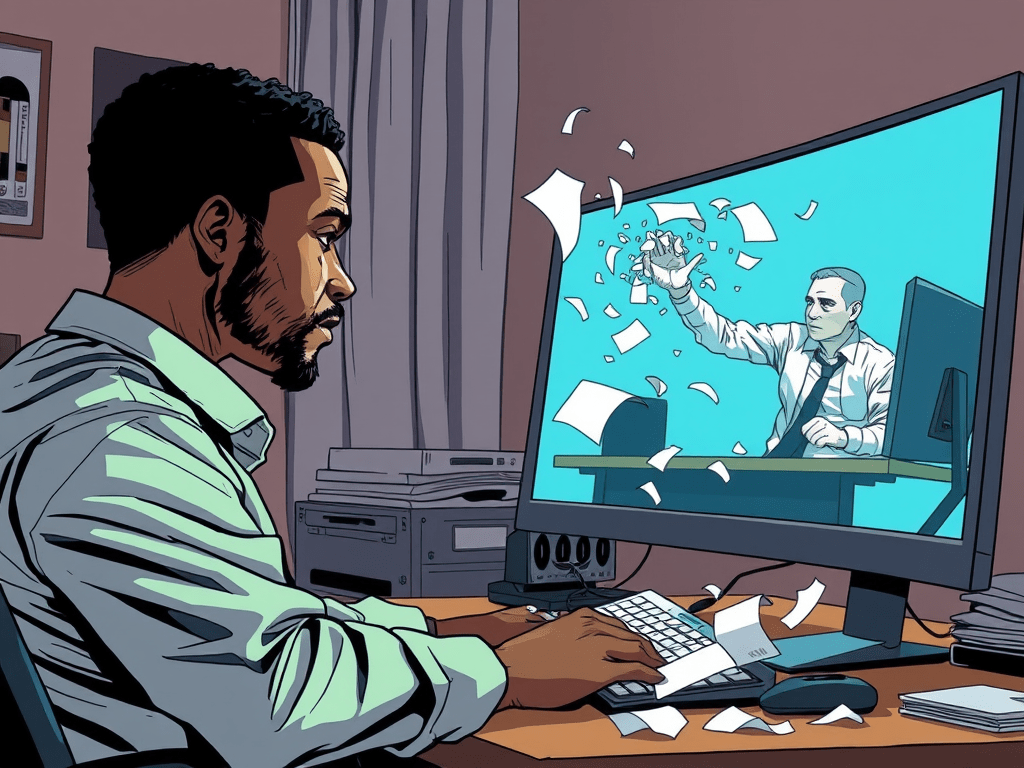
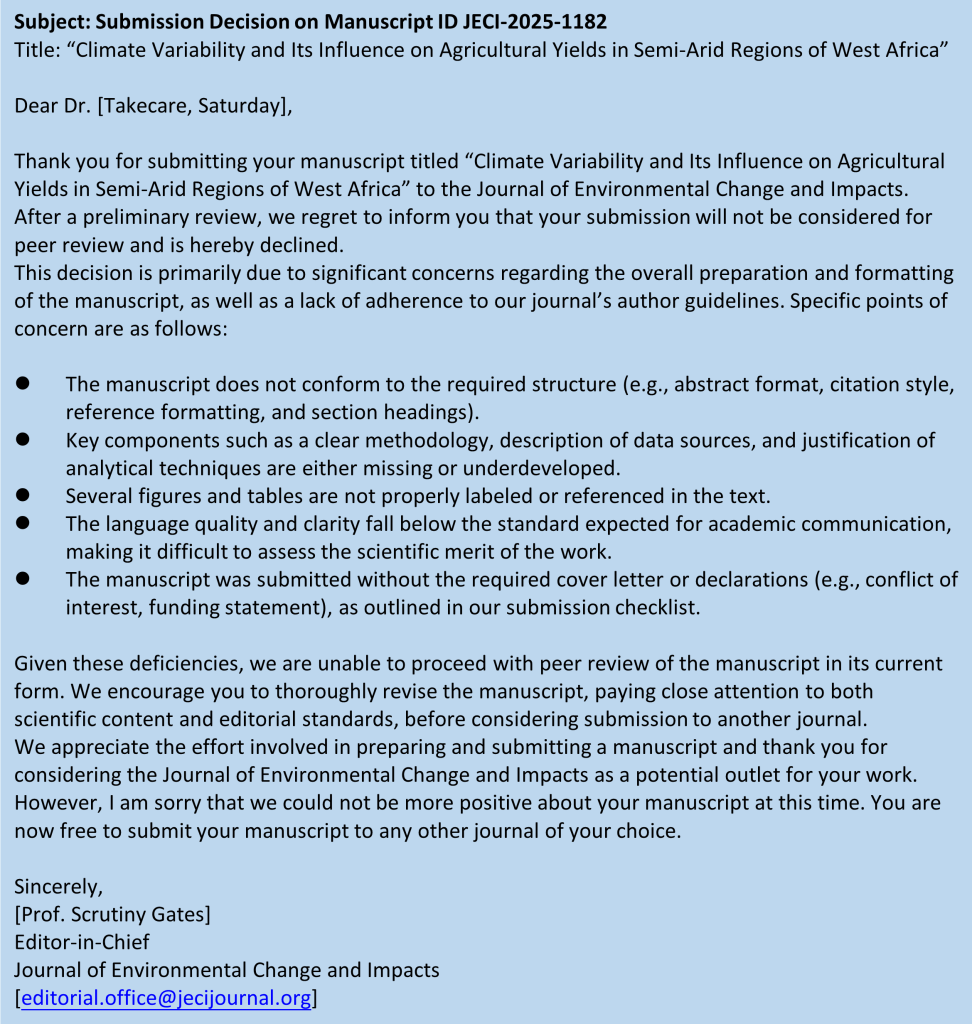
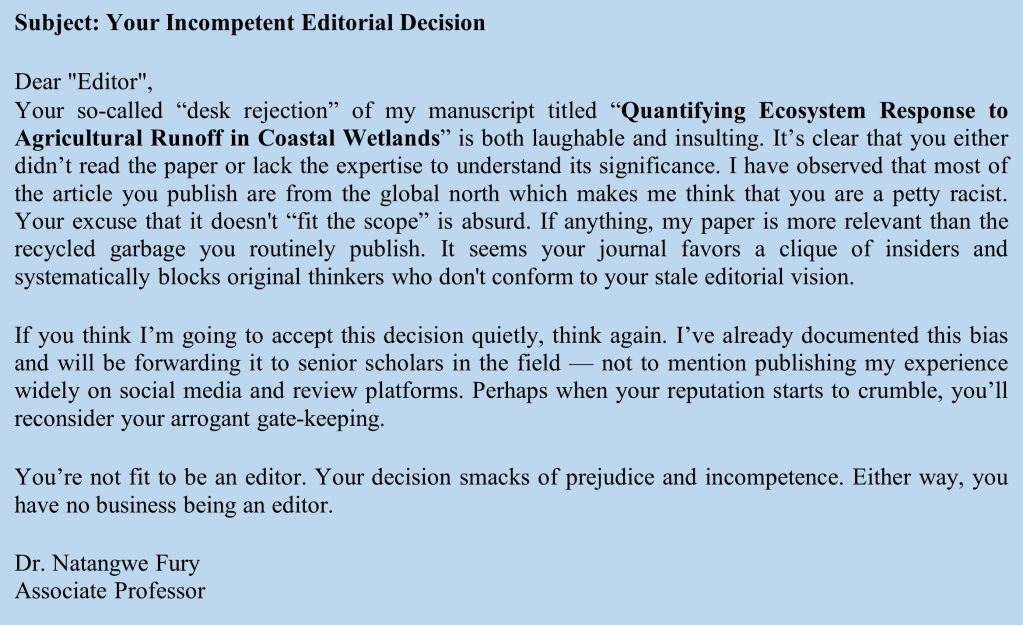
    You have just finished writing another manuscript and you have zeroed in on a suitable journal with high impact factor where you intend to publish the paper. You submitted your manuscript and went to sleep feeling fulfilled. The next morning, it was back on your desk (email) – rejected! The feeling is akin to how a young man feels when a woman turns down his marriage proposal. It is usually a sore and painful feeling. How do you like the email below sent to you within 24 hours of submitting your manuscript?

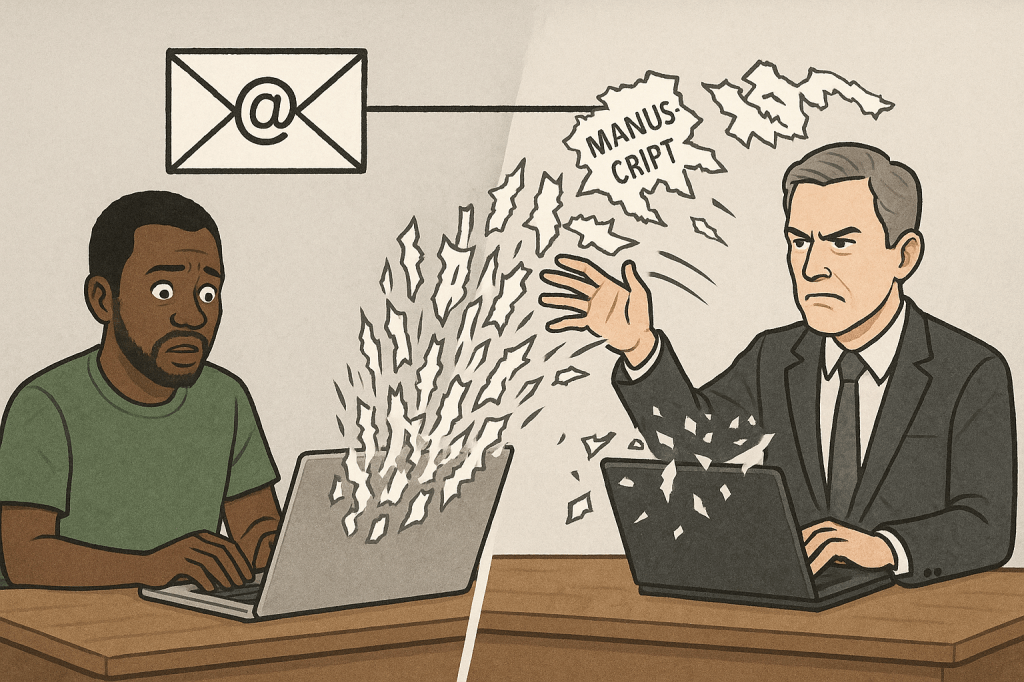
    To begin with, desk rejection is when an editor returns your manuscript without even the courtesy of sending it out for peer review. In simple terms, the editor is saying “your paper is not good enough for our journal in its current form”. In some cases, the rejection is so quick that you feel crushed and even rejected. After a few days of recovery from the rude shock, then you gather courage and send it to another journal. But the next couple of days, it is bounced back to you again with the same bad news – “rejected” without peer review. At this point most authors become desperate. Perhaps you have submitted the same manuscript to several journals and their verdicts were all sad and same. This is where it becomes tricky and frustrating. In desperation, authors might settle for just any journal that would agree to publish their manuscript. Some even fall into the net of now ubiquitous predatory journals lurking in the shadows of the internet. Others may get demoralized and jettison the idea of publishing the manuscript. This type of reaction can set your research and publication career back. So the first thing to do is to take a second look at your manuscript to know why nobody is interested in reviewing it let alone publish it. But because we are always set in our ways, we do not want to entertain the possibility that there is a problem with our manuscript. We often blame the “cruel” editors who we believe have an axe to grind with us. Occasionally, authors get emotional and send the editor a stinker. A fictional but relatable example of authors lashing out at editors has been presented below:

    I have received similar emails from frustrated authors who did not like my decision to desk-reject their papers for obvious reasons. I know you may not have written such an absurd email to an editor before, but you might have felt like doing so. In as much as the above email is a true expression of the authors feeling at the time, it certainly crossed ethical lines. Such a direct attack on an editor borders on blackmail. Depending on the temperament of the editor, they may choose to ignore the email or take a number of steps against the author. Such actions include reporting the author to the author’s institution or international bodies like Committee on Publication Ethics (COPE). They might even go an extra mile to blacklist the author from future submissions.

    Anyway, my intention in this post is to help you reduce the frequency of desk rejection you receive. Though desk rejection is not totally avoidable, there are several steps you can take to avoid it. I have identified twelve reasons behind most desk rejections. I intend to delve into them in a series of articles. The full list is given below.

    • Quality of manuscript
    • Grammar and style
    • Scope of journal – geographical and thematic
    • Adherence to author’s guide
    • Method of submission
    • Similarity index
    • Access type and publication model
    • Journal reputation
    • Rate of submission to the journal and available resources
    • Manuscript format
    • Publication model
    • Quality of abstract

    In this first part of the series, I will concentrate on the first two.

    Quality of Manuscript

    A high-quality manuscript is an editor’s delight anytime. And this is because high quality articles published in the right journal can trigger a flurry of citation traffic which is good for the reputations of both the journal and the author. Writing a good research paper begins from the conceptualization stage. It must fill a research gap, be well thought out, and be grounded in literature and sound scientific principles. So, the best way to ensure that your paper is of high quality is to give it a strong and proper grounding right from the word go. No editor wants to publish a paper that will be faulted or considered as fundamentally flawed, thus forcing them to got through the very painful process of retraction. Retracting an already published article can be painful both for the editor and the author, and of course, it amounts to a sheer waste of editorial resources.

    Building your research on sound theoretical principles is an indispensable baseline for guaranteeing a high-quality research paper. Having said that, you should ask yourself “what gap does my research fill”? A literature gap does not need to be as wide as the Grand Canyon. It can just be a little crack which amounts to a significant contribution to knowledge when filled. A research gap can be conceptual, contextual, contradictory findings, empirical, methodological, policy, population or theoretical. Make sure to identify one or more gaps which will serve as the guiding post for your research. Let me add that the easiest way to identify research gaps is by reading relevant literature. The problem however, is that when a research gap is population-oriented or contextual, editors might not be willing to publish your paper if the context or population does not significantly relate to the wider global population. For instance, a case study of malaria infestation in remote Maigatari, Nigeria might not inspire as much interest in an editor of a double digit impact factor journal as much as a study of COVID conducted in Melbourne, Australia. You may call this bias or discrimination, but it is far from and beyond that. Editors want their publications to be read, cited and used by as many people as possible. The fact is that more people will read the Melbourne study than the Maigatari study. In fact, it is almost unlikely that anybody from Maigatari will read the study given the low level of exposure and literacy. But this is not to suggest that such a paper cannot be published. It definitely can. “So how do I go about this”? You may ask. The solution is to inject and infuse quality into the research. There are several ways to do that, but I will propose two critical and effective approaches. First, in addition to all that has been said so far, develop a robust methodology and if possible, twerk existing methodology to suit your study area while, conforming to established standards. By so doing, your study will spark intellectual curiosity, while imparting a tinge of novelty to the work. Now, curiosity and novelty are the bait editors find difficult to resist. Whether you adopt an existing methodology, develop a new one or modify old ones, remember that description of your methodology must facilitate reproducibility. Secondly, even if your research appears to have a geographical limitations in terms of application, you can extrapolate your findings to have global significance by connecting them to literature and valid scientific inference. So, even if your research has more of local content, discuss it in a global context to give it a global relevance. I have seen several very good research papers marred by a weak and disjointed discussion which is merely a re-statement of the results. On the other hand, a rich discussion goes a step further to make the reader understand why the results occurred as well the theoretical and practical implications of the findings, clearly indicating whether the results confirm or contradict existing knowledge. Enrich your discussion with current relevant literature to properly contextualize and situate it in the mainstream literature. In summary, a good discussion will have the following components

    • Insightful interpretation
    • Literature integration
    • Demonstration of impact
    • Amplification of contribution to knowledge
    • Identification and acknowledgment of limitations
    • Inspiration for future research

    Keep in mind that editors usually do not make a judgment regarding the validity of your claims. That is the work of reviewers. What the editor generally does is to ascertain if the manuscript is rich enough to pass to the peer review stage.

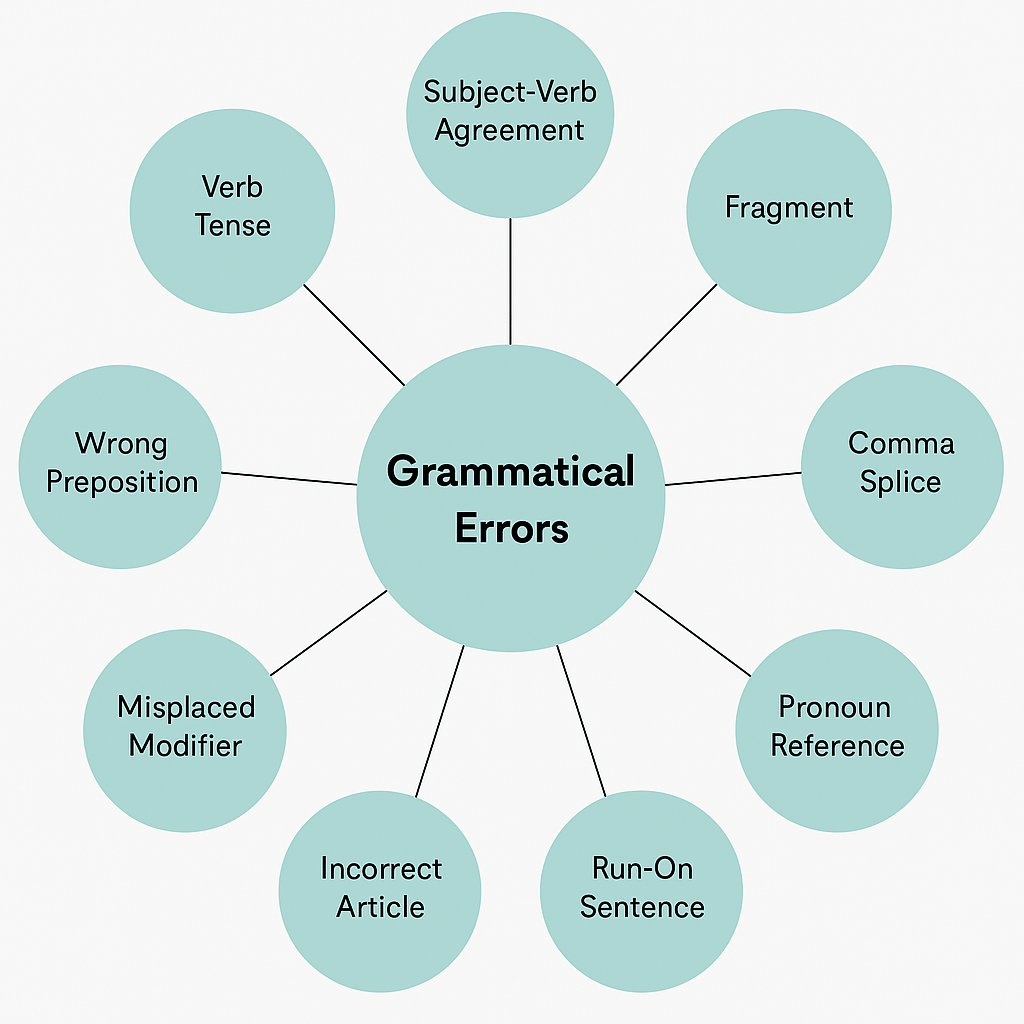
    Grammar and Style

    One of the most annoying things to editors is a badly written manuscript riddled with grammatical errors. This is a big time turn off. I know that only about a fifth of the world’s population can write and speak English fluently, but if you intend to publish your article in an English language journal, you should be able to write in good English. Well, whether you are writing in English or any other language, it is very crucial to get your grammar correct. Careless writing and wrong grammar devalue your work. The first impression of an editor is that you are a loose person who does not pay attention to details. I cannot overemphasize the importance of polished language in manuscript preparation. In fact, the language quality is as important as the quality of the research because language is the vehicle of communication. If you cannot articulately communicate your work to others, then there are chances that no one will ever use your results. Or it might result in the misapplication of your findings.  Incomplete sentences, poor punctuation and misuse of upper case letters are among the most common issues I have observed in manuscripts. There is also the issue of ambiguous statements. Ambiguous sentences are loosely structured sentences that can be interpreted in many different ways by the same or different readers. Ambiguity blurs information and weaken credibility. Have you ever read a sentence and wondered what the writer actually meant? The more you read, the more it messed up your brain – and not for lack of cognitive ability, but because the sentence just seemed slippery. Ambiguous sentences usually result from misuse of terms, articles, tenses or wrong choice of word. An example of ambiguous sentence is:

    “Distilled water was poured into a flask containing 2 g of palm kernel ash and 5 g of sawdust ash shaken together for five minutes”.

    The natural question the reader would ask is “was the mixture of water, palm kernel ash and sawdust ash shaken together”? or “were palm kernel ash and sawdust ash shaken together before pouring distilled water”? Let’s go ahead and disambiguate the sentence. If the writer implied that the mixture of water, palm kernel ash and sawdust ash were shaken together, then the sentence should read:
     

    “Distilled water was poured into a flask containing 2 g of palm kernel ash and 5 g of sawdust ash, and the mixture was then shaken for five minutes”.

     But if, however, the intention was to say that palm kernel ash and sawdust ash were shaken together before pouring distilled water, then the sentence should read:

    “A mixture of 2 g of palm kernel ash and 5 g of sawdust ash was shaken in a flask for five minutes before adding distilled water”.

    Now, even though the first option was most likely what the author had in mind because it is more scientifically plausible, the second option provides an alternative confounding sense. In essence, the sentence contains two mutually exclusive meanings. Sometimes ambiguities are introduced when the writer attempts to say too much in one sentence. Hence, keeping your sentences moderate in length can reduce ambiguities. For instance, using the case above, we can easily disambiguate the sentence by breaking the sentence into two simple parts as follows:

    “Distilled water was poured into a flask containing 2 g of palm kernel ash and 5 g of sawdust ash. The mixture was then shaken for five minutes.” for the first case,

    or

     “A mixture of 2 g of palm kernel ash and 5 g of sawdust ash was shaken in a flask for five minutes. Afterwards distilled water was added.” for the second case.

    Another type of grammatical problem you need to watch out for is poor choice of words and wrong use of words or terms. Poor or wrong choice of words will distort the information being conveyed by either giving it a different meaning from the message the writer is trying to pass across or making it prone to varied subjective interpretations. A sentence is deemed to be clear when it is understood in the same way by every moderate English speaker. Though the depth of understanding may vary from person to person depending on how knowledgeable they are in the subject, the danger of contradictory interpretations will not arise. If by any means a misunderstanding occurs, it will not be attributable to the sentence or the writer but the reader. While wrong choice of words alters the intended meaning of a sentence, poor choice of word introduces ambiguity. Types of ambiguities resulting from poor choice of word have been presented in Table 1 for your reference and guidance.

    Table 1: Ambiguities cause by poor choice of word

    TypeExampleAnalysisCorrection
    Vague time frameThe sample was analyzed soon after collection.“Soon” is subjective thus depriving the sentence of specificity.The sample was analyzed within 30 minutes of collection.
    Misleading Cause-and-EffectThe cells died due to the new compound.The use of the term “due to” suggests direct causation without evidence.The cells appeared to die when exposed to the new compound.
    Incorrect Preposition UseThe bacteria were resistant with antibiotics.“Resistant” does not naturally go with “with”.The bacteria were resistant to the antibiotics.
    Unclear Pronoun ReferenceAfter filtering the solution, it was stored in the refrigerator.The sentence does not specify whether it was the filter or the solution that was stored in the refrigerator.The filtrate was stored in the refrigerator.
     Wrong Verb ChoiceThe mixture was treated at 100°C for 5 minutes.The statement is vague and too general. It is not clear what type of treatment the mixture received.The mixture was incinerated in the oven at 500°C for 5 minutes.
    Ambiguous QuantificationA small amount of catalyst was added.The use of the term “small” makes the sentence subjective. Secondly the writer did not say what the catalyst was added to.One gramme of catalyst was added to the mixture.
    Improper Conjunction UseThe compound was isolated while it was still hot“While” is not a specific point in time. This presents a problem for reproducibility.The compound was isolated immediately after heating
    Confusing Homonyms or PolysemesThe test was conducted on the lead sample.“Lead” has different meanings and can send different signals when used loosely as in this case.The test was conducted on the lead (Pb) metal sample.

    I was almost forgetting the problem of fragmentation. Have you ever read a sentence and felt like someone following a path that leads to nowhere in particular? You read again hoping for meaning or sense, but neither of them was present. Then, it suddenly dawned on you that the sentence was either missing a subject or a predicate (verb), or that the verb was redundant. You were most likely dealing with a fragment. It is not uncommon to find one or two fragments in a manuscript as a result of the author not finishing their thoughts or a sentence being broken into two parts during editing. However, there are situations where a manuscript begins with a fragment, runs on fragments and ends with a fragment. On several occasions, I have read a manuscript or thesis that got me so frustrated because of fragments. Such papers usually constitute a mental torture to the reader. In case you are still wondering what fragments look like, I will give a few simple examples.
     

    “In a recent article about loss of habitat due to climate change”.

    “Significantly, one particular form of Western Australian finch”.

    “The treatment is effective. As the results showed”.

    “Becoming extinct because of rising sea temperatures”.

    How did you feel reading these sentences? Did you make any sense of them? If you look well, you will notice that they are like open ended questions that require you to fill in the blank spaces without giving you the context. One thing common to all four statements is that none of them makes a complete sense. The first statement was going to tell us what the article said about climate change, but never got to that point. The second one missed out the information regarding the Western Australian finch. The second part of the third statement did not tell us what the results showed, while the last one did not give the subject of the sentence. While the first three lack verbs, the last one was missing the subject. Now let us go ahead and complete the statements.
     

    “In a recent article about loss of habitat due to climate change, it was found that sub-Saharan Africa witnessed the highest number of floods in the past five years”.

    “Significantly, one particular form of Western Australian finch was observed to be nearing extinction”.

    “The results showed that the treatment is effective”.

    “Several species of blue-green algae are becoming extinct because of rising sea temperatures”.

    Read the sentences again and notice the difference. Now the path leads somewhere definite and you don’t feel lost anymore. It is now obvious that one fragment can introduce a disconnect in your manuscript but several fragments will make it look like a piece of trash.

    You should not allow these petty yet annoying grammatical pests to mar your efforts. If your writing style frustrates the editor, he will be more than likely to desk-reject your manuscript to save scarce editorial resources. Even if your paper gets to the review stage by some stroke of luck, reviewers will still not give your paper a pass. Grammatical and syntactical blunders will constitute noise that will most likely bias editors’ and reviewers’ judgment against your manuscript. My advise is to minimize the noise so as to afford the editor a higher chance of fair initial assessment of your submission. You can sort out the grammatical issues by sending the manuscript to professional language editors to straighten it out. But bear in mind that professional language editing can be quite expensive. Besides, with some more effort, commitment and attention to details, you can do it yourself. So, I would say that sending your manuscript to a professional language editor should be your last resort unless you have a lot of money to throw around. Below is a list of strategies for improving the language and style of your manuscript.

    • Avoid lengthy sentences. Build your paragraphs with short and clear sentences.
    • Use the spell check tool to check and correct your spellings.
    • Use the grammar checker tool to check and correct your grammar.
    • Apply the 24-hour rule. Just take a break from the manuscript for a while to refresh your eyes and then come back later and read through it again.
    • Use free online tools like Grammarly to improve on the writing style.
    • Print the manuscript and proofread the hard copy.
    • Ask a colleague to proofread your manuscript.

    Hopefully, the above guide will help you to tremendously improve your manuscript and minimize the heartache that comes with instant desk rejection. Watch out for the next part soon.

    Feel free to drop your comments or share your personal experience in the comment section for further engagementsIf reading this post was helpful, share it with others who might need it. Subscribe to get new posts directly in your inbox and watch out for more.
  • Finding Relief from Burnout: Tips and Insights

    Finding Relief from Burnout: Tips and Insights

    Episode 1

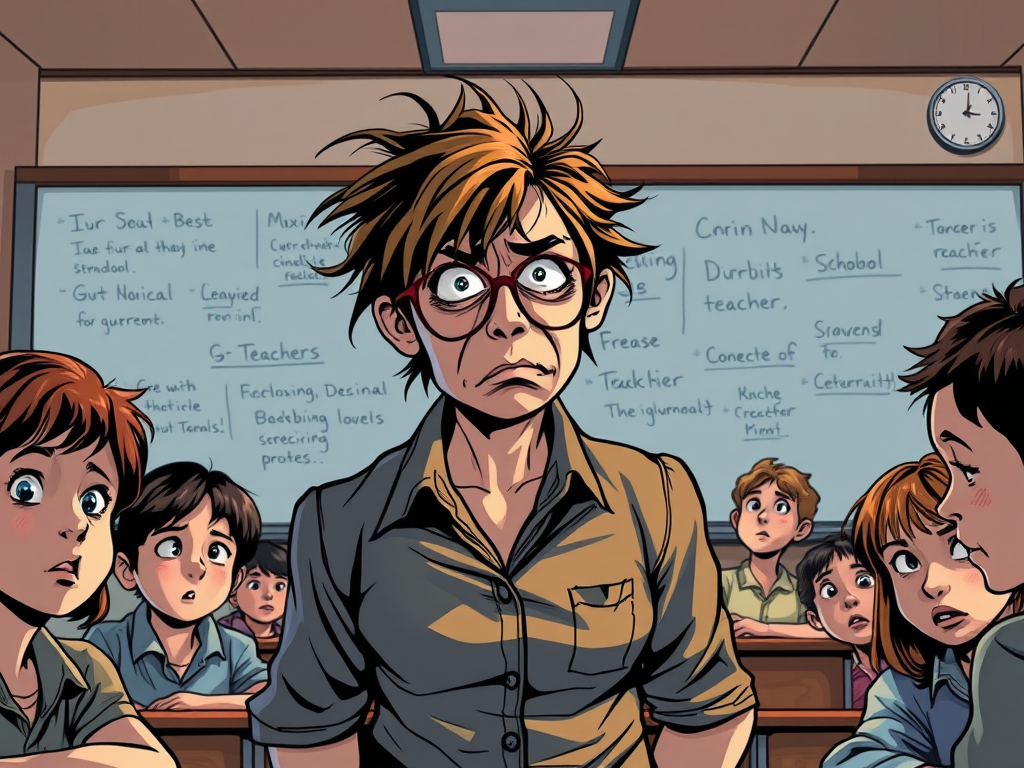
    Standing before the students and panting silently, I felt uneasy. I could not understand what was happening. This was a class I had taught many times in the semester. It was quite familiar. But here I was, uncoordinated, disheveled and fidgeting internally. Everything in me, including my brain, felt rigid and uncooperative. No, it can’t be! I was just supposed to go in and walk out after two hours of lecture. But today was just different – it wasn’t going as planned. But it was too late because I was already in front a sea of eager and expectant faces. And this is the downside to being an adult. If I was a child, I would have just excused myself and left the class. So, I wrote the topic on the white board and started as usual. I felt I could just shake off the entire unwanted signal and get to the job. Then I realized that my tongue would not work well. It felt like my saliva had turned to rubber sap that held my tongue in cheek. Every word came out with so much difficulty. I also noticed that my mind went blank. Every single thing I knew seemed to evaporate. I could not even explain basic concepts with ease. Anyway, thank God for lecture notes. Somehow, I managed to pull through the two hours with much pain and dashed out of the class the next chance I got.

    Episode 2

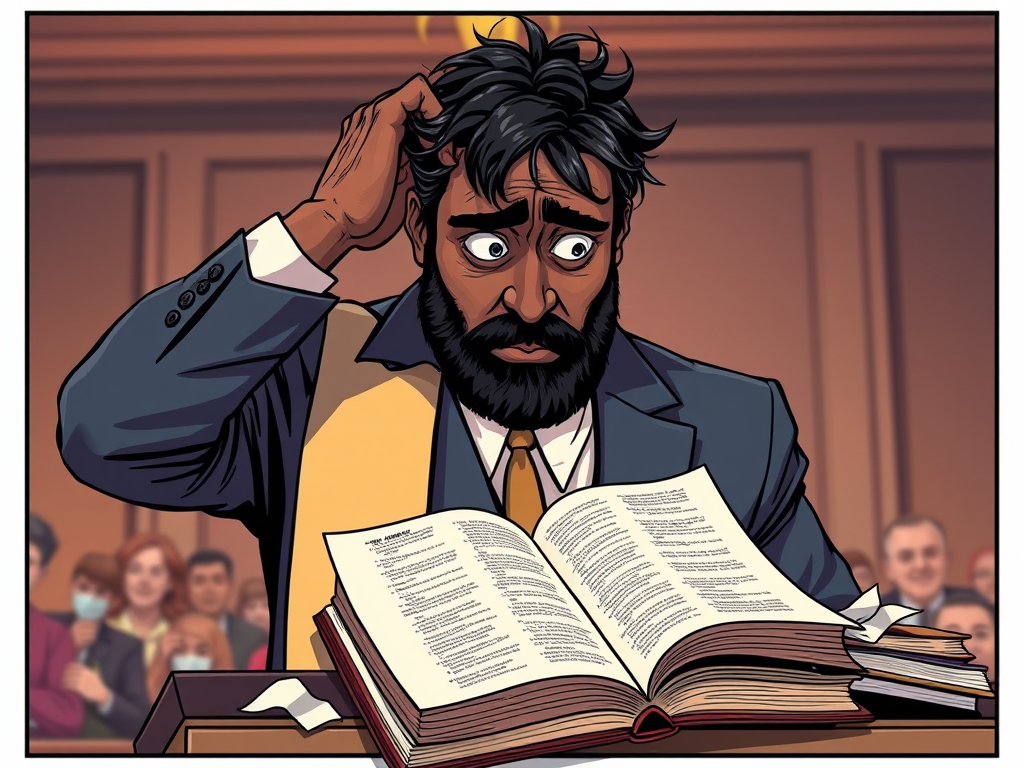
    I stood before my congregation on this Sunday morning. It’s a small but familiar congregation I had pastored for about four years. I knew each of them personally. But something was not quite right. I felt uncomfortable and surprisingly uneasy. My heart was beating uncontrollably. Starting from the prayer before the sermon, I struggled to form the right words. All the right adjectives simply receded to some inaccessible part of my brain. I forced my way through the prayer and then went ahead to announce the topic. Then I noticed that I could barely look at the faces of my familiar congregation. Something about them made my heart to race. Each time I lifted my eyes to engage theirs, I felt overwhelmed for no reason. Suddenly, my well-prepared message deserted me. Apart from the Bible passages I read to them, nothing else came to mind. I could not even explain the passages. My heart started pounding and the sweat broke on my forehead. I wished I had not gone to the pulpit that day, but it was too late. The people came to church to be blessed and I was to command the blessings.  But I could not even command my own words. To worsen the situation, I felt sure that they saw through my struggles. I shortened the sermon and beckoned on my assistant pastor to lead closing prayers. I left the stage feeling tired, empty and disappointed. I was incapable of facing anybody after service. All I wanted was to just drive home and rest – on a Sunday morning!

    Episode 3

    In 2023, I was attending a workshop at Sandton Sun and Towers, Johannesburg. At first, everything went smoothly. After two days of lively presentations and interactive sessions, the atmosphere was quite familiar and convivial. The participants then broke up into task groups. My group asked me to present our report to the participants. It was no big deal at all. So I glided to the stage effortlessly with my writing pad and faced the now familiar faces. The first few sentences came out with ease. Then, suddenly, my mouth dried up. My tongue became heavy. The words started sticking to my mouth. Instantly, my fight or flight mechanism kicked in thus increasing my heartbeat. My mind felt like a maze and the only thing I wanted to do was just run! By this time, the familiar faces, now seemed like a sea of strange faces common in nightmares. I finally managed to read out the points with frugal elaborations and then my nightmare ended, but the emotional backlash did not.

    The burnout and panic attacks

    It is easy to draw hasty conclusions about the above episodes if you haven’t been through a similar situation. But I assure you, it is not what you think. The above experiences happened within the same season in my life and even aggravated to the point of threatening my public engagements. Over 70% of my core engagements require me to speak to an audience. This includes the classroom, webinars, conferences, church meetings, and board meetings. I came face to face with the mother of frustrations. Deep inside, I loved to do these things, but the thought of them became a nightmare. Just thinking about these engagements would just send my heartbeat to the roof. On several occasions, I woke up in the morning with severe palpitation. Even the ringing of my phone jolted me. I started limiting myself to only very essential activities which always left me exhausted emotionally after each appearance. But I was determined to push through this darkness knowing there must be light at the end of the tunnel. But fighting only served to intensify the symptoms and increased my frustration. To make matters worse, I did not even know what I was fighting. I wasn’t sure if anyone else on the planet had ever been through this experience. My fears were confirmed when I spoke to a few close associates. They thought it was a very strange and unusual situation. In fact, a highly respected and distinguished gentleman had invited me to chair his daughter’s marriage. Not wanting to embarrass myself or disappoint him, I attempted to let him in on the problem. The result was a long sermon. He lectured me on how someone as accomplished as myself should not be mired in some mysterious tongue-tying syndrome.

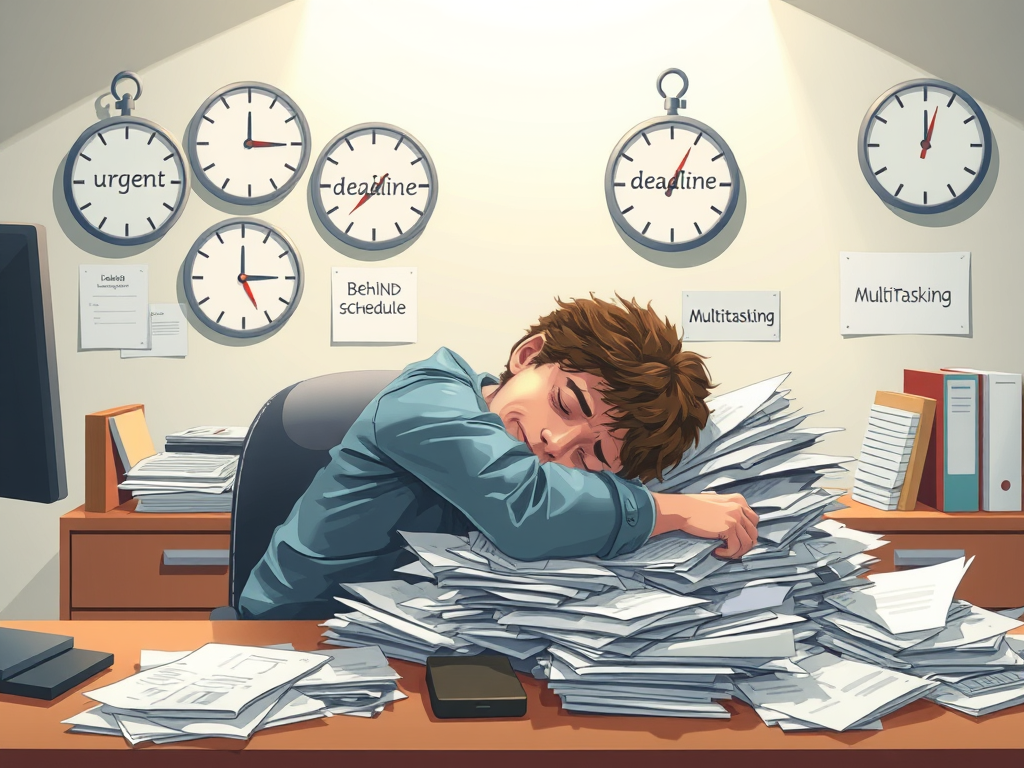
    My frustration had reached an unprecedented peak, but I was not going to let myself be rendered useless and invisible. It felt like a catastrophic turn of events from which I did not know if I would ever recover. So, I started looking for practical solutions. I fasted, prayed, meditated on the scriptures and listened to lullaby at night. I even visited the hospital, and I was referred to a psychologist. He complicated my frustration by declaring that I did not have any problems. Then one day, I was reading a book by Craig Groeschel where he narrated a personal experience that mirrored my struggles which he described a burnout! I stopped to reflect and bam, it dawned on me – I was dealing with a high degree burnout. So, how did I get here? If you are like me, you probably try to achieve a million things at a go. You might also try to squeeze twenty-five hours of work into one day. I was a serial multitasker, combining a wide range of activities – writing a manuscript, replying an email or text message, writing a letter, attending a meeting, etc. If I was in the middle of a demanding task and remembered a lighter task, I would quickly complete the lighter task to score a win for the day. Then, I would switch back to the other task. After a very long day at the office, I would go home, but not to rest. I would change my clothes and then immediately flip my laptop and continue from where I stopped. Sometimes, I would go on till well after midnight before dragging my exhausted frame to bed. I felt this unusual sense of urgency about every day. I wanted results to justify every ounce of effort invested. Someone once asked me if I ever got tired and I bragged that tiredness was unknown to me. But here I was, tired, exhausted and completely burnt out. As I searched for solution, I stumbled into similar experiences as narrated by other persons. Now I knew that I was not alone. Knowing that someone had been through what I was experiencing gave me hope. Of course, I did not just snap out of the problem overnight even after understanding what my problem was. Recovery was still a struggle and a journey but that only became possible because I took some drastic measures.

    Recovery is possible

    Among the several measures I took, I will just mention a few that I found quite helpful. Let me also add that there is no quick fix for a burnout. You might find what looks like a quick fix in several online articles. However, what the authors won’t tell you is that these things take time. The mind needs time to heal. Initially, I wanted a quick fix so I could just go back to my normal workaholic lifestyle but that did not happen. My mind simply refused to work the way I wanted. It was like when a laptop’s battery drains below the required threshold. You are left with no other option but to charge it. I once owned a laptop with a battery that would drain so completely that it required hours of charging to power it on. That became my personal experience. So, when I realized that this was going to be one long journey, I accepted reality. I did not stop fighting though, but I changed my strategy. One thing I did was a mind reset. I had to train my mind to neutralize the ever-present nagging sense of urgency. This sense of urgency used to put my stomach in a tensed mode while I was working. Occasionally, I caught myself in that mode and then I would just relax my stomach muscles. Another drastic change I made was that I minimized after-office work at home. I would rather read a book, watch the news or do something less mentally demanding. I also learnt to take breaks from work, especially if I start feeling pressured in my mind. In Africa, where vacation is considered shear waste of money, many people are likely to suffer from burnout, unless they have other means of releasing work pressure.

    Final Word

    A burnout is a terrible and life altering experience. Mine manifested in panic attacks but some people might not be that lucky. They might not even have any symptoms until they suddenly come down with a debilitating ailment or even drop dead. So, prioritize your physical welfare and mental health. Find an efficient way of releasing the stress so it does not accumulate. Take breaks from work at intervals. Learn to work smart and not just hard. Don’t try to do everything yourself in the quest for machine perfection. Delegate assignments whenever you have the opportunity. The truth is that if you die on the job, the job will not die with you. Someone else will continue from where you stopped and probably do it even better than you did.

    Feel free to drop your comments or share your personal experience in the comment section for further engagements. If reading this post was helpful, share it with others who might need it. Subscribe to get new posts directly in your inbox and watch out for more.